
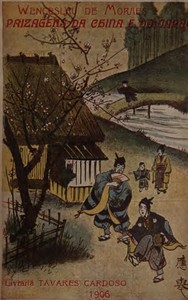
Paisagens da China e do Japão by Wenceslau de Moraes
Forget dry historical accounts. Wenceslau de Moraes's 'Paisagens da China e do Japão' is a love letter written in prose. A Portuguese naval officer and diplomat, Moraes didn't just visit East Asia—he stayed. This book collects his observations from the late 1800s and early 1900s, a time when these nations were rapidly changing, often under pressure from the West.
The Story
There isn't a traditional plot. Instead, think of it as following Moraes on his personal journey. We see through his eyes: the dramatic landscapes of China, the orderly beauty of rural Japan, the chaos of port cities like Kobe. He describes festivals, gardens, temples, and the quiet dignity of everyday people. The 'conflict' is subtle—it's the tension between his European upbringing and the profound attraction he feels for Asian aesthetics and philosophies. The book documents his gradual shift from an outside observer to someone emotionally and spiritually invested in his new home.
Why You Should Read It
Moraes has a photographer's eye for detail. He doesn't judge or romanticize excessively; he simply tries to see clearly and describe faithfully. What makes it special is his vulnerability. You feel his loneliness, his wonder, and his growing conviction that he has found where he belongs. It's a powerful look at cultural immersion before globalization made the world feel smaller. His writing slows you down and makes you notice the small things—the pattern of light through bamboo, the sound of a specific street vendor's call.
Final Verdict
Perfect for readers who enjoy immersive travel writing, quiet memoirs, or historical eyewitness accounts that focus on culture over politics. If you liked the reflective tone of Pico Iyer or the detailed observations of Patrick Leigh Fermor, you'll connect with Moraes. It's not a fast-paced adventure; it's a thoughtful, gentle walk through a vanished world with a deeply sensitive guide. A truly unique glimpse into the heart of a man caught between two worlds.
The copyright for this book has expired, making it public property. Distribute this work to help spread literacy.
Matthew Thompson
3 months agoI was particularly interested in the case studies mentioned here, the transition between theoretical knowledge and practical application is seamless. I appreciate the effort that went into this curation.
Steven Jones
1 year agoCitation worthy content.
Michael Wilson
1 year agoWithout a doubt, the clarity of the writing makes this accessible. This story will stay with me.
Liam Ramirez
2 years agoSurprisingly enough, the pacing is just right, keeping you engaged. A valuable addition to my collection.





Jessica Lee
8 months agoI've been looking for a reliable source on this topic, and the way the author breaks down the core concepts is remarkably clear. Top-tier content that deserves more recognition.