
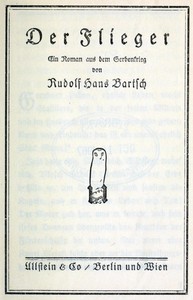
Der Flieger by Rudolf Hans Bartsch
I picked up 'Der Flieger' out of curiosity about early aviation stories, but found it's much more about the person building the machine than the machine itself.
The Story
The book follows Richard Vogt, a man consumed by the dream of flight in the years before World War I. We see him not as a heroic inventor, but as a regular guy pouring his savings, time, and family's patience into a seemingly impossible project. The plot moves between his workshop—filled with trial, error, and sheer stubbornness—and his strained home life. The central question isn't just 'Will it fly?' but 'What is this dream costing him, and is it worth it?'
Why You Should Read It
Bartsch writes with a quiet, observational style that makes Richard's obsession feel real, not romantic. You get the splinters in his hands, the skeptical glances from his neighbors, and the quiet worry of his wife. It captures a specific historical moment—that fragile time when flying machines were seen as either miracles or foolishness—through the lens of personal struggle. The aviation details are authentic for its time, but the heart of the book is in its portrait of dedication bordering on madness.
Final Verdict
Perfect for readers who enjoy character-driven historical fiction or stories about innovation from the ground up. If you like tales of underdog inventors or are curious about the human side of technological change, this is a thoughtful, slow-burn read. It’s less a thrilling adventure and more a compelling study of passion's price, wrapped in the smell of engine oil and pine wood.
This historical work is free of copyright protections. Knowledge should be free and accessible.
Donald Gonzalez
1 year agoI stumbled upon this title and the emotional weight of the story is balanced perfectly. Exactly what I needed.
Lucas Perez
2 years agoI was skeptical at first, but the character development leaves a lasting impact. Truly inspiring.





Edward Thompson
2 years agoClear and concise.